
Tanzania emerges as the definitive destination for those seeking the quintessential African safari experience. When travelers envision safaris in Tanzania, they picture sweeping savannas teeming with wildlife, dramatic landscapes shaped by ancient volcanic forces, and encounters with nature that transcend simple observation to become profound personal experiences. This vision reflects reality—Tanzania consistently delivers safari adventures that exceed even the loftiest expectations through a combination of exceptional wildlife populations, diverse ecosystems, and conservation dedication unmatched across the African continent.
The global appeal of safaris in Tanzania stems from the country’s unique positioning at the intersection of multiple ecological zones. The Great Rift Valley’s eastern branch cuts through Tanzania, creating dramatic elevation changes and volcanic features that generate varied microclimates supporting different habitats within surprisingly compact areas. The result is a safari destination where you can experience woodland forests, volcanic craters, alkaline lakes, riverine ecosystems, and endless grasslands all within a single journey, each habitat hosting specialized wildlife communities that ensure every day brings fresh discoveries.
Beyond geographic advantages, safaris in Tanzania benefit from decades of conservation investment, professional tourism development, and political stability that together create ideal conditions for sustainable wildlife tourism. The Tanzanian government’s commitment to protecting vast territories for conservation, combined with sophisticated anti-poaching operations and community-based conservation programs, means the wildlife populations you’ll encounter during safaris in Tanzania are thriving rather than merely surviving. This conservation success translates directly into superior safari experiences characterized by abundant wildlife, natural animal behaviors, and ecosystems functioning according to ecological principles rather than human management.
The Unparalleled Appeal of Safaris in Tanzania
Understanding why safaris in Tanzania rank among the world’s premier wildlife experiences requires examining the foundational elements that distinguish this destination from competitors. Wildlife abundance forms the cornerstone—Tanzania hosts some of Earth’s largest remaining populations of iconic African species. The northern parks alone support millions of large mammals including wildebeest, zebras, gazelles, elephants, buffaloes, and giraffes, alongside thousands of predators representing every major African carnivore species.
This abundance creates safari experiences characterized by consistent, high-quality wildlife encounters rather than hit-or-miss sightings requiring luck. During safaris in Tanzania, the question isn’t whether you’ll see wildlife but rather which species you’ll encounter, what behaviors you’ll witness, and how close those encounters will be. This reliability particularly appeals to visitors with limited vacation time who can’t afford to gamble on destinations where wildlife viewing depends heavily on seasonal timing or fortunate circumstances.
Ecosystem diversity represents another crucial advantage. The northern safari circuit encompasses radically different environments—the Serengeti’s iconic grasslands that define the archetypal safari landscape, Ngorongoro’s self-contained crater ecosystem functioning like a natural wildlife arena, Tarangire’s ancient baobab woodlands transforming into animal magnets during dry seasons, and Lake Manyara’s forest-to-lake gradient supporting species rarely seen in open savanna habitats. This variety ensures that safaris in Tanzania maintain visual and experiential interest throughout multi-day journeys rather than becoming repetitive.

Professional infrastructure elevates safaris in Tanzania above destinations lacking developed tourism sectors. Decades of safari operations have refined logistics, guide training, accommodation standards, and visitor services to levels ensuring smooth, safe, enjoyable experiences. This mature infrastructure means you’ll benefit from knowledgeable guides, reliable vehicles, strategic lodge placements, and operational expertise that anticipates and addresses challenges before they impact your safari enjoyment.
The conservation context surrounding safaris in Tanzania adds a meaningful dimension beyond entertainment. Your safari participation directly supports wildlife protection through park fees, employment for local communities, and economic incentives demonstrating that living wildlife generates more value than poaching or habitat conversion. This knowledge transforms safaris from mere vacations into contributions to conservation efforts ensuring these ecosystems endure for future generations.
Iconic Destinations for Safaris in Tanzania
Serengeti National Park: Africa’s Wildlife Stronghold
The Serengeti stands as the crown jewel among destinations for safaris in Tanzania and arguably all Africa. This vast protected area spanning nearly 15,000 square kilometers represents the archetypal African landscape—golden grasslands extending to distant horizons, isolated rocky kopjes rising like islands from grassy seas, umbrella acacias providing shade for resting predators, and wildlife in concentrations that challenge comprehension even when witnessed personally.
The park’s claim to fame extends beyond landscape aesthetics to encompass wildlife populations of staggering magnitude. The Serengeti ecosystem supports the world’s largest terrestrial mammal migration—over 1.5 million wildebeest accompanied by 200,000 zebras and 350,000 gazelles moving in annual cycles following seasonal rainfall patterns. This migration alone justifies safaris in Tanzania for countless visitors who dream of witnessing nature’s greatest wildlife spectacle.
Beyond migration herds, the Serengeti maintains robust resident populations ensuring exceptional game viewing year-round. Approximately 3,000 lions inhabit the park organized into territorial prides researchers have studied for generations, providing unparalleled opportunities to observe complex social structures, cooperative hunting strategies, territorial defense, and cub-rearing behaviors. Leopards, more solitary and secretive, patrol woodland edges and kopjes where they rest during daylight hours before emerging at dusk to hunt. Cheetahs prefer open plains where clear sightlines and space for high-speed chases give them advantages over more powerful predators.

The Serengeti’s regional character variations create diverse experiences during safaris in Tanzania. Southern short-grass plains attract cheetahs and serve as calving grounds where hundreds of thousands of wildebeest give birth within weeks each February and March. Central Seronera, blessed with permanent rivers and diverse habitats, delivers consistent year-round wildlife viewing with particularly high predator densities. Western corridor grasslands and gallery forests host elephants, giraffes, and resident ungulate populations. Remote northern regions offer exclusive experiences with dramatic landscapes, fewer tourists, and excellent dry-season wildlife concentrations.
Ngorongoro Crater: Nature’s Perfect Wildlife Arena
The Ngorongoro Conservation Area, particularly the massive crater at its heart, stands among Earth’s most remarkable wildlife sanctuaries and serves as an essential component of safaris in Tanzania. This geological wonder—a volcanic caldera formed millions of years ago—creates a natural amphitheater approximately 19 kilometers across and 600 meters deep hosting one of Africa’s densest wildlife populations within its 260-square-kilometer floor.
What makes Ngorongoro extraordinary for safaris in Tanzania extends beyond dramatic scenery to encompass the wildlife density and viewing reliability the crater provides. Permanent water sources including Lake Magadi, freshwater springs, and streams ensure animals remain within the crater year-round regardless of external rainfall patterns. This consistency means safaris in Tanzania incorporating Ngorongoro virtually guarantee exceptional wildlife encounters on any visit date.
The crater supports approximately 25,000 to 30,000 large mammals creating wildlife densities allowing visitors to see multiple species within single viewpoints. All Big Five species inhabit the crater—lions in unusually high densities given the limited space, leopards in the forested crater walls and acacia woodlands, elephants predominantly bulls that descend to graze, buffaloes in massive herds sometimes numbering over 1,000 individuals, and critically endangered black rhinos representing one of Tanzania’s most stable populations of these magnificent animals.
Beyond the Big Five, the crater teems with zebras, wildebeest, Thomson’s gazelles, Grant’s gazelles, elands, waterbucks, hippos, hyenas, jackals, and numerous other species creating a microcosm of Serengeti ecosystem diversity within a much more confined, accessible space. This concentration makes Ngorongoro particularly appealing for visitors with limited time whose safaris in Tanzania span only a few days yet who desire comprehensive wildlife exposure.
Tarangire National Park: The Elephant Sanctuary
Tarangire National Park represents one of safaris in Tanzania’s best-kept secrets—a destination offering wildlife experiences rivaling or exceeding more famous parks yet receiving fraction of visitor attention. The park transforms seasonally, with wet months seeing animals dispersed widely but dry season from June through October concentrating wildlife around the Tarangire River in densities creating spectacular viewing opportunities.
Elephants define Tarangire’s identity and justify its inclusion in safaris in Tanzania itineraries. The park hosts one of East Africa’s largest elephant populations, with dry season congregations sometimes reaching several hundred individuals gathering along river sections. These aren’t brief glimpses but extended viewing opportunities as elephants spend hours at watering points, creating chances to observe complex family dynamics, communication methods including infrasound calls humans can’t hear, trunk dexterity, dust-bathing rituals, and tender interactions between mothers and calves that reveal the emotional depth and intelligence these animals possess.
The park’s botanical signature—massive baobab trees scattered across woodlands and grasslands—creates landscapes found nowhere else during safaris in Tanzania. These ancient trees, some exceeding 1,000 years old and reaching enormous sizes with trunks up to 10 meters in diameter, serve multiple ecological functions. Elephants strip bark for nutrition and minerals, water stored in trunk cavities sustains wildlife during droughts, hollows provide shelter for bats and birds, and the trees themselves create distinctive photographic backdrops impossible to replicate elsewhere.
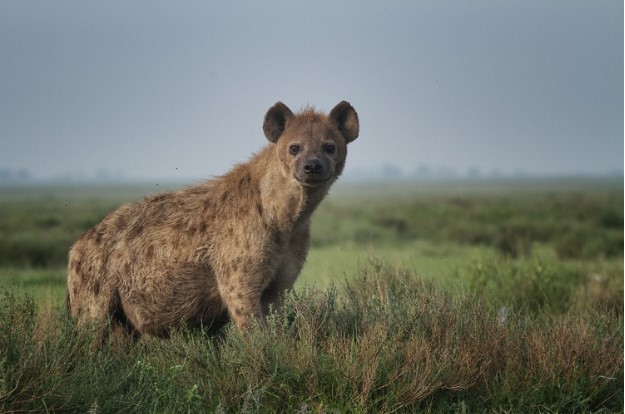
Wildlife diversity in Tarangire extends well beyond elephants. Large buffalo herds, oryx, lesser and greater kudu, fringe-eared oryx, impala, and waterbuck populate the grasslands and woodlands. Predators including lions, leopards, cheetahs, and spotted hyenas maintain territories along the river where prey animals must risk drinking despite danger. The park occasionally hosts African wild dogs, one of the continent’s most endangered carnivores, making Tarangire one of the more reliable locations for encountering these fascinating cooperative hunters during safaris in Tanzania.
Lake Manyara National Park: Diversity in Miniature
Lake Manyara National Park demonstrates that exceptional safaris in Tanzania need not require vast territories. This compact park stretching along the Great Rift Valley escarpment packs remarkable habitat diversity into approximately 330 square kilometers—groundwater forests, acacia woodlands, grassy floodplains, and the alkaline lake itself each supporting distinct wildlife communities.
The park’s tree-climbing lions brought Lake Manyara international attention and continue attracting visitors hoping to witness this unusual behavior during safaris in Tanzania. While lions elsewhere occasionally rest in trees, Manyara’s population exhibits this behavior regularly, spending daylight hours draped across acacia branches. Scientists propose various theories—escaping biting flies, finding cooler elevated resting spots, gaining observation advantages for spotting prey—but regardless of motivation, photographing lions lounging in trees creates memorable images impossible to capture in most destinations.
Lake Manyara’s elephant populations demonstrate remarkable habituation to vehicles, allowing closer observation than typically possible during safaris in Tanzania. This tolerance creates opportunities to study elephant behavior in detail—observing trunk manipulation of objects, listening to vocalizations, watching dust-bathing and mud-wallowing rituals, and witnessing family group interactions that reveal complex social structures.
The park’s namesake lake attracts impressive water bird concentrations when conditions favor algae growth supporting flamingo populations. Thousands of these pink birds create living carpets across the shallows, while pelicans, cormorants, storks, herons, egrets, and numerous other species congregate along shores. The groundwater forest at the park entrance hosts woodland species rarely encountered in open savanna—silvery-cheeked hornbills, turacos, barbets, and various monkeys creating jungle-like atmosphere contrasting dramatically with grassland habitats.
Seasonal Considerations for Safaris in Tanzania
Timing profoundly influences experiences during safaris in Tanzania, with distinct seasons offering different advantages appealing to various visitor priorities. Understanding these seasonal variations enables informed decision-making that aligns safari timing with personal preferences regarding weather, wildlife viewing, crowd levels, and costs.
The dry season spanning June through October represents peak period for safaris in Tanzania for multiple compelling reasons. Vegetation thins dramatically during these months as lack of rainfall stresses plants, making wildlife easier to spot against sparse backgrounds rather than concealed within dense greenery. Animals concentrate around permanent water sources—rivers, springs, lakes—creating predictable viewing locations where patient observers reliably encounter diverse species throughout the day. Road conditions remain excellent as lack of rainfall keeps tracks firm and passable, enabling access to remote areas that become challenging or impossible during rainy periods.
Weather during dry season features warm days with temperatures typically ranging 20-30°C, cool nights occasionally dropping to 10°C, abundant sunshine, and minimal rainfall creating comfortable conditions for extended game drives and outdoor activities. This pleasant weather combines with optimal wildlife viewing conditions to make dry season the preferred period for safaris in Tanzania among visitors prioritizing game viewing quality above all other factors.
Dry season also encompasses the Great Migration’s most dramatic phase. Between July and October, massive wildebeest and zebra herds concentrate in the northern Serengeti attempting spectacular Mara River crossings. These crossings—thousands of animals plunging from steep banks into crocodile-infested waters, chaos as some drown or succumb to predators, and determination as survivors scramble up opposite banks—represent nature’s most intense survival drama and attract photographers, filmmakers, and wildlife enthusiasts worldwide to safaris in Tanzania.
The wet season from November through May offers advantages that increasingly appeal to experienced travelers and those seeking value, unique experiences, or avoiding crowds during safaris in Tanzania. The landscape transforms dramatically as rains green grasslands, fill seasonal rivers and waterholes, and stimulate plant growth creating lush environments vastly different from dry season’s golden-brown vistas.
Many animals give birth during wet months when food abundance supports lactation and early growth. The southern Serengeti’s wildebeest calving season during February and March sees hundreds of thousands of calves born within weeks, triggering intense predator activity as big cats target vulnerable newborns. This predation creates exceptional wildlife drama during safaris in Tanzania’s wet season.
Birdwatching reaches peak quality during wet months as migratory species arrive from Europe and Asia, joining resident populations to create bird diversity exceeding 1,100 species across Tanzania. Photography often produces superior results through dramatic storm clouds, vibrant vegetation colors, crystal-clear atmospheric conditions following rains, and varied weather creating diverse lighting impossible during monotonous dry season blue skies.
Practical advantages include substantially lower accommodation costs—discounts of 30-50 percent compared to peak season—and dramatically reduced tourist numbers creating intimate wildlife encounters without crowds of vehicles surrounding each sighting. For budget-conscious travelers or those valuing solitude and exclusivity, wet season offers compelling advantages for safaris in Tanzania.
Maximizing Your Safari Experience
Selecting Professional Safari Operators
The quality of safaris in Tanzania depends heavily on operator selection. Professional, experienced operators deliver superior experiences through knowledgeable guides, well-maintained vehicles, strategic itinerary planning, quality accommodations, and operational expertise accumulated over years or decades of safari operations.
Evaluating operators requires examining several key factors. Guide qualifications matter tremendously—look for licensed professional guides with extensive experience rather than casual drivers with minimal training. Vehicle condition and age indicate operational standards, with well-maintained newer vehicles suggesting companies prioritizing quality over cost-cutting. Accommodation selections reveal whether operators prioritize location and quality or simply book cheapest available options.
Reading detailed reviews from previous clients provides invaluable insights into actual experiences during safaris in Tanzania with specific operators. Pay particular attention to reviews describing guide knowledge, vehicle reliability, accommodation quality, and how operators handled unexpected challenges or guest requests.
Understanding Accommodation Options
Safaris in Tanzania offer accommodation spanning the full luxury spectrum, ensuring every budget level finds suitable options without sacrificing wildlife viewing opportunities.
Luxury tented camps represent safari accommodation at its finest, delivering five-star comfort within authentic bush settings. These camps feature spacious canvas structures with king beds, en-suite bathrooms, hot showers, gourmet cuisine, extensive wine selections, attentive service, and amenities including charging stations and WiFi while maintaining genuine bush atmosphere through canvas construction, natural surroundings, and minimal permanent infrastructure. Guest numbers typically remain limited—8 to 20 total—ensuring intimate experiences and personalized attention.
Mid-range lodges and camps provide comfortable accommodation without luxury price tags during safaris in Tanzania. Expect proper beds, private bathrooms with hot water, decent meals, and competent service within structures that may be permanent buildings or large canvas tents. These properties balance comfort with affordability, making multi-day safaris accessible to broader audiences without requiring budget camping sacrifices.
Budget camping brings safaris in Tanzania within reach of travelers with limited funds. Mobile camping operators provide tents, sleeping bags, camping equipment, and professional staff handling all logistics. Guests sleep in two-person dome tents, share bathroom facilities, and participate in camp routines, but experience identical wildlife, landscapes, and park access as luxury travelers at fraction of the cost. The animals don’t distinguish between accommodation categories—a lion kill provides equal excitement regardless of sleeping arrangements.
Packing Strategically
Proper packing enhances comfort, preparedness, and photographic success during safaris in Tanzania. Essential clothing includes neutral colors—khaki, olive, tan, brown—that blend with environments without alarming wildlife. Avoid bright colors, white clothing showing dust badly, and camouflage patterns sometimes prohibited in African countries. Layer for temperature variations from chilly dawn game drives through hot midday to cool evenings.
Sun protection proves critical given Tanzania’s equatorial location—bring wide-brimmed hats, quality UV-blocking sunglasses, and high-SPF sunscreen. Insect protection including DEET-containing repellent and perhaps permethrin-treated clothing reduces mosquito annoyance and malaria risk. Comfortable closed-toe shoes or boots work for walking, while sandals suit lodge wear.
Photography equipment significantly impacts image quality during safaris in Tanzania. Telephoto lenses in the 200-400mm range prove most versatile for wildlife photography from safari vehicles. Bring extra batteries as charging opportunities may be limited, multiple memory cards for backup, and dust protection for equipment. Binoculars dramatically enhance wildlife observation—8x or 10x magnification with good optics allows detailed viewing of distant animals.
Conclusion
Safaris in Tanzania represent pinnacle wildlife travel experiences that combine exceptional animal diversity, spectacular landscapes, professional infrastructure, and meaningful conservation context into journeys that transform perspectives on nature, wilderness, and our relationship with the natural world. The encounters you’ll experience—lions coordinating sophisticated hunts, elephants demonstrating intelligence and emotional complexity, the Great Migration’s epic river crossings, or simply the profound peace of sitting in wilderness as dawn breaks over the Serengeti—create memories and insights that resonate throughout your life.
Beyond personal enrichment, participation in safaris in Tanzania contributes directly to conservation success. Your spending supports park operations, anti-poaching efforts, wildlife research, and community development programs that together protect these remarkable ecosystems and the species inhabiting them. This conservation impact adds meaningful dimension to safari experiences, transforming them from simple entertainment into contributions toward ensuring these natural wonders endure for future generations.
The invitation remains open—Tanzania’s wildlife still follows ancient patterns, predators still hunt across timeless plains, elephants still gather at waterholes unchanged for millennia, and wilderness still exists where nature operates according to ecological principles rather than human control. Safaris in Tanzania await to show you these wonders, to immerse you in ecosystems functioning as they have for millions of years, and to create connections with nature that will inspire and influence you forever. Your African adventure beckons—the only remaining question is when you’ll answer.
Key Takeaways
- Safaris in Tanzania consistently deliver world-class wildlife experiences through exceptional animal populations, diverse ecosystems, and conservation dedication creating thriving rather than merely surviving wildlife
- Tanzania protects nearly 40% of its territory for conservation, creating vast interconnected ecosystems enabling natural migration patterns and supporting the world’s largest terrestrial mammal migration
- The northern circuit’s complementary parks—Serengeti, Ngorongoro, Tarangire, and Lake Manyara—offer distinct environments ensuring visual and experiential variety throughout multi-day safaris
- Seasonal timing significantly impacts experiences: dry season (June-October) provides optimal visibility and migration drama; wet season (November-May) offers lush landscapes, birthing seasons, superior photography, lower costs, and fewer tourists
- Professional operator selection critically influences safari quality through guide expertise, vehicle standards, itinerary planning, and operational experience accumulated over years
- Accommodation options span the luxury spectrum from ultra-luxury tented camps to budget camping, all providing equal wildlife viewing opportunities with different comfort and cost levels
- Tourism revenues from safaris in Tanzania directly fund conservation, anti-poaching, and community development, creating economic models demonstrating that living wildlife generates sustainable long-term value
Frequently Asked Questions
How much do safaris in Tanzania typically cost?
Costs for safaris in Tanzania vary significantly based on multiple factors including accommodation category, season, group size, safari duration, and included services. Budget camping safaris start around $200-350 per person per day covering basic camping, meals, park fees, transportation, and guide services. Mid-range safaris using comfortable lodges or tented camps typically range $400-800 per person daily with better accommodations, smaller group sizes, and quality meals. Luxury safaris begin around $900-1,300 per person per day and ultra-luxury options exceed $2,000 daily, providing exceptional accommodations, gourmet dining, premium service, and exclusive locations. Peak dry season (July-October) commands highest prices while wet season offers substantial discounts of 30-50%. These costs typically include all safari components except international flights, visas, tips, alcoholic beverages, and personal purchases.
What is the best time of year for safaris in Tanzania?
The “best” time depends entirely on your priorities and preferences. For optimal wildlife visibility, reliable dry conditions, and witnessing the Great Migration’s dramatic Mara River crossings, visit during dry season from June through October. For the spectacular wildebeest calving season featuring intense predator action, choose late January through March. For budget-conscious travelers seeking value, visit during wet season (November-May) when costs drop 30-50% and tourist numbers decrease dramatically while wildlife viewing remains excellent. For photographers prioritizing dramatic skies and vibrant colors, wet season delivers superior conditions. For birding enthusiasts, November through April brings migratory species from Europe and Asia. Tanzania offers exceptional safaris in Tanzania year-round—the optimal timing simply depends on what aspects you prioritize most.
How safe are safaris in Tanzania for international visitors?
Safaris in Tanzania maintain excellent safety records through professional operations, trained guides, and established infrastructure. Licensed safari operators adhere to strict safety standards governing vehicle maintenance, guide qualifications, and operational procedures. Experienced guides understand animal behavior intimately and maintain appropriate distances ensuring visitor safety during wildlife encounters. Parks employ rangers monitoring both wildlife and visitor safety throughout protected areas. Accommodations feature security measures and trained staff addressing any concerns. Standard travel precautions apply—securing valuables, following guide instructions, staying with your group—but serious incidents remain extremely rare. Tanzania prioritizes tourism safety as essential to its economy and international reputation. Millions of visitors annually enjoy incident-free safaris in Tanzania, with the greatest “risks” typically involving sunburn, minor illness from travel fatigue, or excitement-induced sleep deprivation rather than serious threats.
Can solo travelers easily arrange safaris in Tanzania?
Solo travelers can absolutely enjoy excellent safaris in Tanzania through multiple approaches. Many operators offer scheduled group departures where solo travelers join other guests, significantly reducing per-person costs compared to private safaris while costs get divided among all participants. These group safaris create opportunities for social interaction and often result in friendships formed through shared adventures. Some operators waive single supplement fees during specific periods or for certain departures, making solo travel more affordable. Private safaris remain options for those preferring complete independence and flexibility, though costs increase as vehicle and guide expenses get divided among fewer people. When booking, solo travelers should communicate clearly about preferences regarding social interaction versus solitude so operators can recommend options matching individual styles. Many solo travelers find safaris in Tanzania particularly rewarding for opportunities to focus entirely on wildlife experiences without accommodating others’ conflicting preferences or schedules.
What wildlife photography equipment works best for safaris in Tanzania?
Successful wildlife photography during safaris in Tanzania benefits from appropriate equipment though spectacular images remain possible with various camera types. Telephoto zoom lenses in the 200-400mm range prove most versatile, enabling frame-filling portraits from respectful distances while accommodating closer subjects when opportunities arise. Image stabilization technology helps compensate for vehicle movement inherent to safari photography. Fast shutter speeds—1/1000 second or faster—freeze motion during animal action sequences, running herds, or flying birds. Bring multiple batteries as charging opportunities may be limited at some camps, and numerous memory cards providing backup capacity and reducing data loss risks if cards fail. Dust protection matters significantly—keep equipment in sealed bags when not shooting and use protective filters on lenses. That said, don’t let equipment limitations prevent participation in safaris in Tanzania. Modern smartphones with quality cameras capture memorable images, and experiencing wildlife firsthand matters far more than perfect photographs. Focus first on being present in remarkable moments, then document them with whatever equipment you have available.
Do I need vaccinations or medications for safaris in Tanzania?
Health preparations for safaris in Tanzania require advance planning and professional medical consultation. Yellow fever vaccination is mandatory only if arriving from yellow fever endemic countries; otherwise it’s recommended but not required for direct international arrivals. Strongly recommended vaccinations include Hepatitis A and B, typhoid, tetanus-diphtheria-pertussis, and ensuring routine immunizations remain current. Malaria prophylaxis is recommended for safaris in Tanzania, though risk varies by location—northern parks generally present lower risk than coastal areas, and dry season involves less risk than wet season when mosquito populations increase. Consult travel medicine specialists or tropical disease clinics 6-8 weeks before departure for personalized recommendations based on your specific itinerary, health history, and current conditions. Bring sufficient supplies of any prescription medications in original labeled containers, basic first aid supplies, anti-diarrheal medication, and any personal medical items you might need. Comprehensive travel insurance covering medical evacuation provides important protection given remote locations and limited medical facilities near safari areas.