
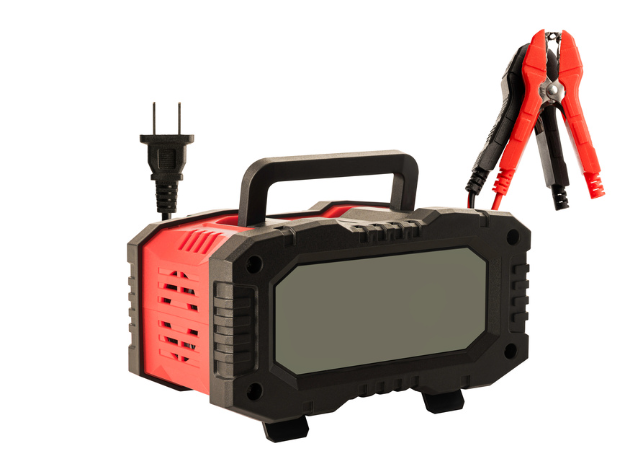
A battery maintainer is a fantastic tool for keeping car, truck, motorcycle, and RV batteries in good health. It is almost a necessity for people who own seasonal vehicles. But like anything else involving electricity, it is easy to make mistakes with a battery maintainer, mistakes that could ultimately damage the unit or the battery it’s connected to.
If you are new to the whole battery maintainer thing, there is no need to worry. Just educate yourself and then follow the standard rules. Doing so will help you avoid the following four rookie mistakes:
1. Buying the Cheapest Model You Can Find
Saving money is a good thing. However, a battery maintainer is one product for which you absolutely get what you pay for. A cheap model probably won’t have a ton of safety features. It is also likely to be a ‘dumb’ product – as compared to something like a Clore Automotive PRO-LOGIX smart battery maintainer.
There is no need to spend a small fortune on a battery maintainer. But it’s also unwise to make a selection based only on price. If you buy cheap, you are likely to get cheap. That is not what you want considering the fact that you could harm your battery or sensitive vehicle electronics if you are not careful.
2. Mismatching Charger and Battery
A battery maintainer is essentially a more advanced charger that relies on either trickle charging or multi-phase charging to maintain battery health. That being the case, it’s important to match charger with battery. Pay attention to:
- Voltage – Battery maintainers offer three typical outputs: 6v, 12v, and 24v. A typical car battery is a 12v battery. But be sure you know the type of battery you are working with so that you can buy a compatible maintainer.
- Chemistry – Automotive batteries also come with different chemistries. The three most common are lead-acid, AGM, and lithium. Your battery maintainer needs to be compatible with your battery chemistry. Otherwise, you can run into problems with overheating, overcharging, or even undercharging.
If you’re willing to spend a little extra, you could invest in a battery maintainer compatible with nearly all chemistries and voltages. These more advanced maintainers will work with just about any vehicle or battery. But they do cost more.
3. Connecting the Unit Improperly
The next big mistake rookies make far too often is connecting the battery maintainer incorrectly. The correct procedure starts with plugging the battery maintainer into a wall outlet. However, it should be powered off. Next, you connect the positive cable (red) to the positive terminal on the battery.
Connecting the negative cable (black) is the next step. If the battery is no longer in the vehicle, connect the black cable to its negative terminal. Otherwise, connect the cable to a metal part of the car chassis. A bare metal bolt is a good choice as long as it’s away from the battery itself. Now, turn the maintainer on.
4. Not Paying Attention to the Environment
Finally, don’t make the mistake of not paying attention to the environment. Always use a battery maintainer in a cool and well-ventilated space, especially since the battery will need to off-gas periodically. Also, don’t rely solely on a battery maintainers built-in meters for measuring voltage. Routinely test the battery with a separate voltmeter to ensure it’s not being overcharged.
A battery maintainer is a great tool to have if you’re interested in maintaining the health of all your automotive batteries. A quality maintainer used the right way can keep your batteries and tip-top shape. Hopefully, this post has pointed you in the right direction.